
John D. Rockefeller took his first job in 1855, at sixteen, as an assistant bookkeeper in Cleveland. The pay was about fifty cents a day. He bought a small red account book, called it Ledger A, and recorded every cent that came in and every cent that went out. From the first entries, a share went to his church and to people who needed it more than he did.
That is the detail the fortune obscures. The giving did not begin when the money became embarrassing. It began when there was almost none, roughly a tenth, kept up in weeks when a tenth genuinely hurt. Standard Oil made him the richest man alive. The ledger made him a giver. The order matters.
Start the ledger before the fortune.
By the 1890s the money was compounding faster than any man could spend it, and his adviser Frederick T. Gates told him so plainly: distribute it faster than it grows. The answer was to give the way he had built, systematically, at the root cause, with professionals and a plan. They called it scientific philanthropy.
The results read like national infrastructure. A campaign that treated hookworm across eleven Southern states. A university in Chicago built from a founding gift into a world center. An institute for medical research that became Rockefeller University. And in 1913, a foundation chartered with nine plain words, to promote the well-being of mankind throughout the world.
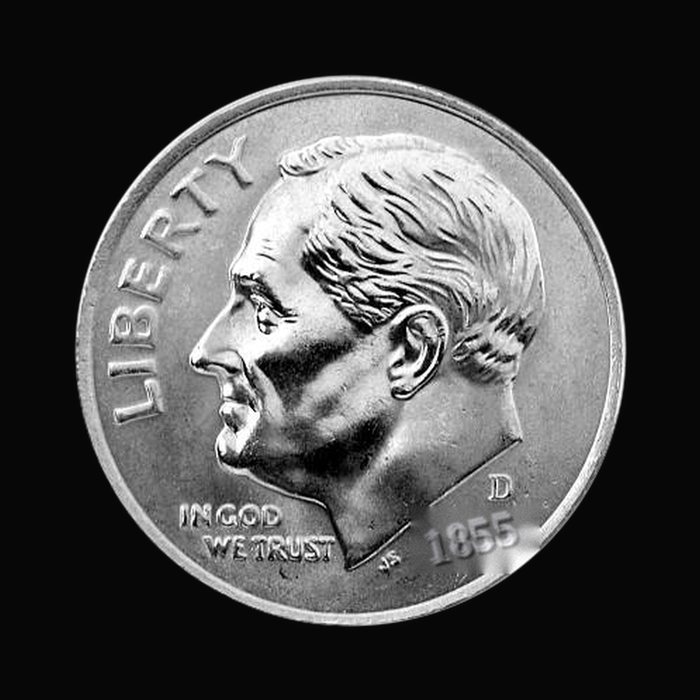
In his last decades he carried dimes and handed them to nearly everyone he met, a fortune that had learned to say thank you in small change. His son translated the habit back into scale, buying and giving the land under Grand Teton, much of Acadia, and the ground the United Nations stands on. Large or small, the gesture was identical. It left the hand.
He gave away about 540 million dollars across eighty-two years, and the most instructive entry is still the first one. Fifty cents a day, and a line for someone else. Start the ledger before the fortune. Everything after is compounding.